
Health and Safety
Building a Safer Future
The Importance of Health and Safety Construction
Construction Health & Safety Compliance & Training UK
In the dynamic world of UK construction, health and safety are not just regulatory requirements—they’re the bedrock of a successful and sustainable industry. Ensuring the well-being of workers, clients, and the public is paramount, and a robust health and safety culture can lead to improved productivity, reputation, and profitability.
Email: paul@mpsafetyservices.com
Supplier Spotlight

Why Health and Safety Matter in Construction
For a useful guide to the importance of H&S, visit the Institute of Government and Public Policy, and The International Workplace.
Protecting Lives and Well-being
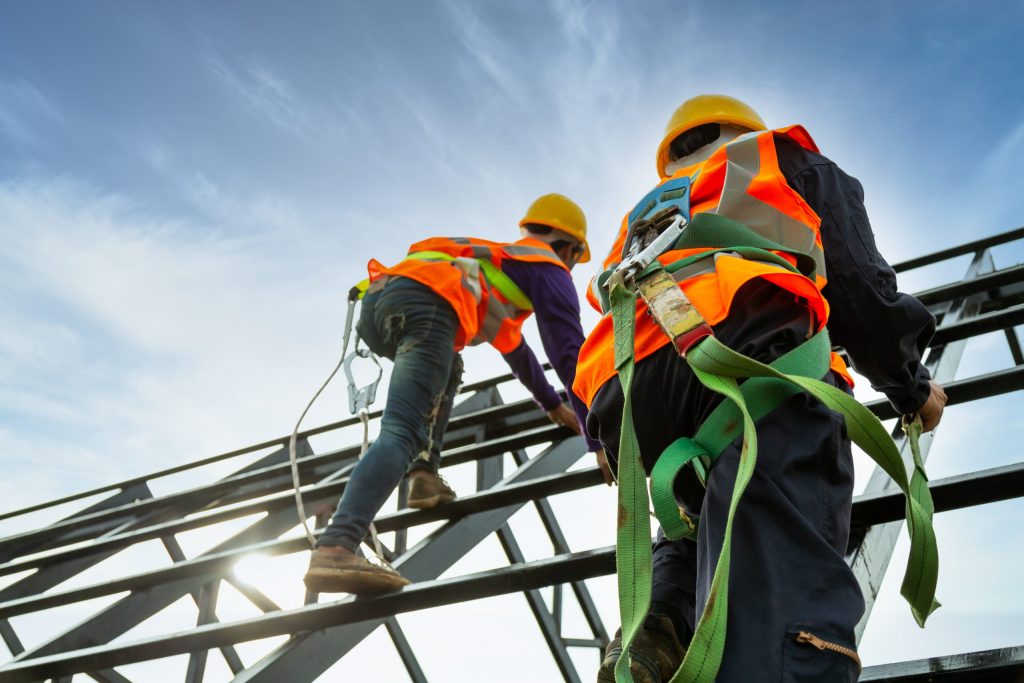
Construction sites are inherently hazardous, with risks ranging from working at heights to operating heavy machinery. Implementing stringent health and safety measures significantly reduces the likelihood of accidents and injuries, safeguarding the lives of workers and the public.
Legal Compliance and Avoiding Penalties
Adhering to health and safety regulations, such as the Construction (Design and Management) Regulations 2015, is a legal obligation. The Health and Safety Executive (HSE) can help you find out which legislation applies to your business. They have a legislation search resource on their website. Find out more here. Non-compliance can result in hefty fines, legal action, and project delays, not to mention reputational damage. Full details can be found here. New legislation is introduced on 6th April and 1st October each year. To ensure you are up to date, you can check here.
Enhancing Productivity and Morale
A safe working environment boosts employee morale and productivity. Workers who feel secure are more engaged and efficient, contributing positively to the project's success and the productivity and reputation of the company. A good Health and Safety policy reduces burnout and stress, increases job satisfaction and increases employee loyalty and trust towards the employer. Employers with a strong H&S reputation will find it easier to attract and retain talent.
Reducing Costs and Improving Profitability
Investing in health and safety can lead to cost savings by minimising accidents, reducing downtime, and lowering insurance premiums. It also helps in avoiding potential legal costs associated with workplace incidents.
Building Reputation and Winning Contracts
Demonstrating a strong commitment to health and safety can enhance your company's reputation, making it more attractive to clients and partners. Many contracts, especially in the public sector, require evidence of effective health and safety practices.
Implementing Effective Health and Safety Measures
Risk Assessments: Regularly conduct comprehensive risk assessments to identify potential hazards and implement appropriate control measures. A useful and comprehensive guide to undertaking a risk assessment is available from the Health and Safety Executive.
Training and Education:
Employers have a legal requirement to ensure all employees receive adequate training on health and safety procedures, including spotting hazards, first aid, the proper use of equipment and emergency protocols. Training should be an ongoing process, especially when circumstances change, for example the introduction of new equipment, or an employee taking on a new role. Download the government guide here.
Clear Communication:
Maintain open lines of communication regarding health and safety policies, encouraging workers to report hazards or concerns. The Health & Safety Executive (HSE) states: “Spoken and written communication can be critical in maintaining safety. This can include general communications in the form of safety information, communications between team members or between different teams during operations or maintenance work, and emergency communications.
All personnel including employees, contractors and visitors, should have access to key information to help them negotiate the hazards in the work place safely. This may include key findings from risk assessments, induction to site, evacuation drills, emergency instructions, safety warnings and so on. Communications are very important in a wide range of safety critical tasks and activities such as lifting operations, emergency response, entry to confined spaces, as well as coordination of activities between different parties and organisations.” The HSE website contains links to two important related issues: shift communication including shift handover, and a Permit-to-Work, or PTW. A PTW is a “means of communication between site management, plant supervisors and operators, and those who carry out the work.” Find out more here.
Safety Audits: Perform regular safety audits to monitor compliance and identify areas for improvement. A Health and Safety audit improves and adds value to an organisation’s operations. An audit can be benchmarked against legal requirements, company standards, international standards or good practice guidance. Find out more here.
Continuous or Continual Improvement: Stay updated with the latest regulations and best practices, and continuously seek ways to enhance your health and safety protocols. This is a “recurring activity to enhance performance” (ISO 45001). Continuous safety improvement ensures that you can identify potential threats and deal with them them as quickly as possible. “All workers should be encouraged to contribute to continuous improvement by raising issues, generating ideas, and participating in system development, implementation, monitoring and review.” (Institute of Occupational Safety and Health – IOSH). Download the IOSH guide here.

Legal Framework and Guidance
The Health and Safety Executive (HSE) provides comprehensive guidance on managing health and safety in construction, including the “Health and Safety in Construction” publication (HSG150), which outlines essential tasks for achieving healthy and safe construction sites. Download a copy of the guide.
In Northern Ireland, HSENI provides resources and support to help businesses comply with health and safety regulations. Visit their website.
A moral responsibility
Employers should also consider that they have a moral responsibility towards their employees. This exists because people should not be harmed by the work that they do.
Conclusion
Prioritising health and safety in construction is not just about compliance, it’s about creating a culture that values human life, fosters trust, and drives success. By implementing effective health and safety measures, construction companies can protect their workforce, enhance their reputation, and achieve long-term profitability.
For more insights and resources on health and safety in construction, visit www.specifyhub.co.uk.